Travel nourishes the soul, expands horizons, and connects us to cultures and landscapes across the globe. Yet, the way we've traditionally moved around the world carries a heavy environmental and social footprint. From carbon emissions to plastic pollution, the very act of exploring can inadvertently harm the places we cherish. This is where Sustainable Travel & Transportation enters the picture, offering a vital pathway to minimize negative impacts while ensuring our adventures remain accessible and enriching for everyone. It's about making smarter choices that protect our planet, uplift communities, and secure a vibrant future for exploration.
At a Glance: Your Guide to Smarter Journeys
- It's Necessary: Traditional tourism accounts for 8% of global emissions and creates significant environmental and social strain.
- It's Holistic: Sustainable travel considers environmental, social, and economic factors, not just "being green."
- Your Choices Matter: Simple shifts in how you plan and execute your trips can dramatically reduce your impact.
- Businesses Have a Role: The travel industry must actively measure, reduce, adapt, and offset its carbon footprint.
- It's a Shared Journey: Governments, technology, and urban planning are crucial partners in building a sustainable future for transportation.
- It's About the Future: Investing in sustainable practices today ensures the beauty and accessibility of travel for generations to come.
Why Our Journeys Need a Green Makeover
The allure of new destinations is undeniable, and tourism has proven a powerful force for good, lifting communities out of poverty, creating jobs, and funding the protection of precious natural and cultural sites. However, this growth hasn't been without its costs. Beyond contributing significantly to global emissions—a staggering 8%—unchecked tourism can lead to plastic pollution, threaten delicate ecosystems and species, and overburden local infrastructure and communities.
Consider the sheer volume: every flight, every car journey, every cruise ship contributes to a collective impact that's simply unsustainable in the long run. We're reaching a point where the very act of experiencing our planet's wonders risks degrading them beyond recognition. This isn't just about preserving postcard views; it's about safeguarding the health of our planet and the well-being of the people who call these destinations home.
Sustainable travel and transportation isn't about halting exploration; it's about intelligently redesigning it. The core aim is to minimize negative environmental, social, and economic impacts, ensuring that the joys and benefits of travel are accessible and affordable, now and for future generations.
The Pillars of Sustainable Transportation: Beyond Just "Green"
When we talk about sustainable transportation, we're not just discussing electric cars or bicycles. It’s a comprehensive concept, a philosophy that touches every aspect of how people and goods move. It’s holistic, considering everything from the technology in our vehicles to the fuels they burn, the infrastructure we build, and even our individual choices.
The distinction between "green" and "sustainable" transportation is critical here. Green transportation primarily zeroes in on reducing environmental impacts, especially greenhouse gas (GHG) emissions. Think cleaner fuels, electric vehicles, or energy-efficient logistics. While crucial, it's only one piece of the puzzle.
Sustainable transportation is far broader, built upon three interconnected pillars:
1. Environmental Sustainability: Treading Lightly on Our Planet
This pillar is perhaps the most immediate concern for many. It's about drastically reducing our carbon footprint and overall ecological impact.
- Cutting Greenhouse Gas Emissions: This involves a shift towards cleaner energy sources and technologies. We're talking about electric vehicles (EVs), advanced biofuels, and hydrogen power, all designed to minimize the release of harmful gases that warm our planet.
- Conserving Natural Resources: It means moving away from a disposable culture. This includes utilizing recycled materials in vehicle manufacturing and infrastructure, and adopting resource-efficient modes of transport that consume less energy and generate less waste.
- Protecting Biodiversity: Our transportation networks often crisscross natural habitats. Sustainable approaches aim to minimize habitat fragmentation, prevent species displacement, and protect sensitive ecosystems from the pollution and disturbances caused by vehicles.
- Reducing Air and Noise Pollution: Beyond carbon, vehicle exhaust contributes to smog and respiratory illnesses. Sustainable transportation prioritizes technologies that reduce these harmful pollutants. Likewise, quieter modes like EVs and active transport reduce noise pollution, improving quality of life for communities.
2. Social Equity: Transportation for All
A truly sustainable system ensures everyone benefits, regardless of their background, income, age, ability, or location. It's about fairness and inclusivity.
- Improving Access for Everyone: This means designing systems that connect people to essential services like jobs, education, and healthcare. Imagine robust public transit networks that reach underserved communities or accessible infrastructure for those with disabilities.
- Providing Affordable Options: Transportation costs can be a huge burden. Sustainable solutions champion affordable choices, such as subsidized public transit, carpooling incentives, and shared mobility options that reduce the need for individual car ownership.
- Ensuring Safety: All road users—drivers, cyclists, pedestrians—deserve to feel safe. This includes better road design, dedicated infrastructure for active transport, and policies that prioritize safety over speed.
- Promoting Inclusive Planning: Local communities must have a voice in shaping their transportation future. This means involving diverse stakeholders in the planning process to ensure solutions meet the real needs of all residents.
3. Economic Viability: Building a Resilient Future
Sustainable transportation isn't just an expense; it's an investment that contributes to a strong, resilient economy.
- Reducing Transportation Costs: Fuel efficiency, a move away from volatile fossil fuel prices, and greater reliance on public or active transport can significantly lower costs for individuals and businesses alike.
- Creating Green Jobs: The shift to sustainable transportation fuels innovation and creates new employment opportunities in manufacturing EVs, developing renewable energy infrastructure, building public transit, and supporting shared mobility services.
- Improving Economic Competitiveness: Cities and regions with efficient, sustainable transportation networks are more attractive for businesses and residents, boosting local economies and fostering innovation.
- Reducing Reliance on Fossil Fuels: This strategic shift enhances energy independence, stabilizes economies against global energy shocks, and directs investment towards cleaner, more predictable energy sources.
Your Role as a Traveler: Making Conscious Choices
Every journey begins with a decision. As a traveler, you wield significant power to shape the future of travel. It's not about giving up your adventures but about making them more mindful.
Understanding Your Footprint
Before you can reduce your impact, you need to know what it is. Use online carbon footprint tools and guides to estimate the emissions generated by your travel. These calculators often use proprietary methodologies to assess flights, car rides (including rideshares), and other aspects of your trip, giving you a tangible number to work with. Knowing your impact is the first step towards minimizing it.
Choosing Greener Transportation Options
The biggest impact often comes from your mode of transport.
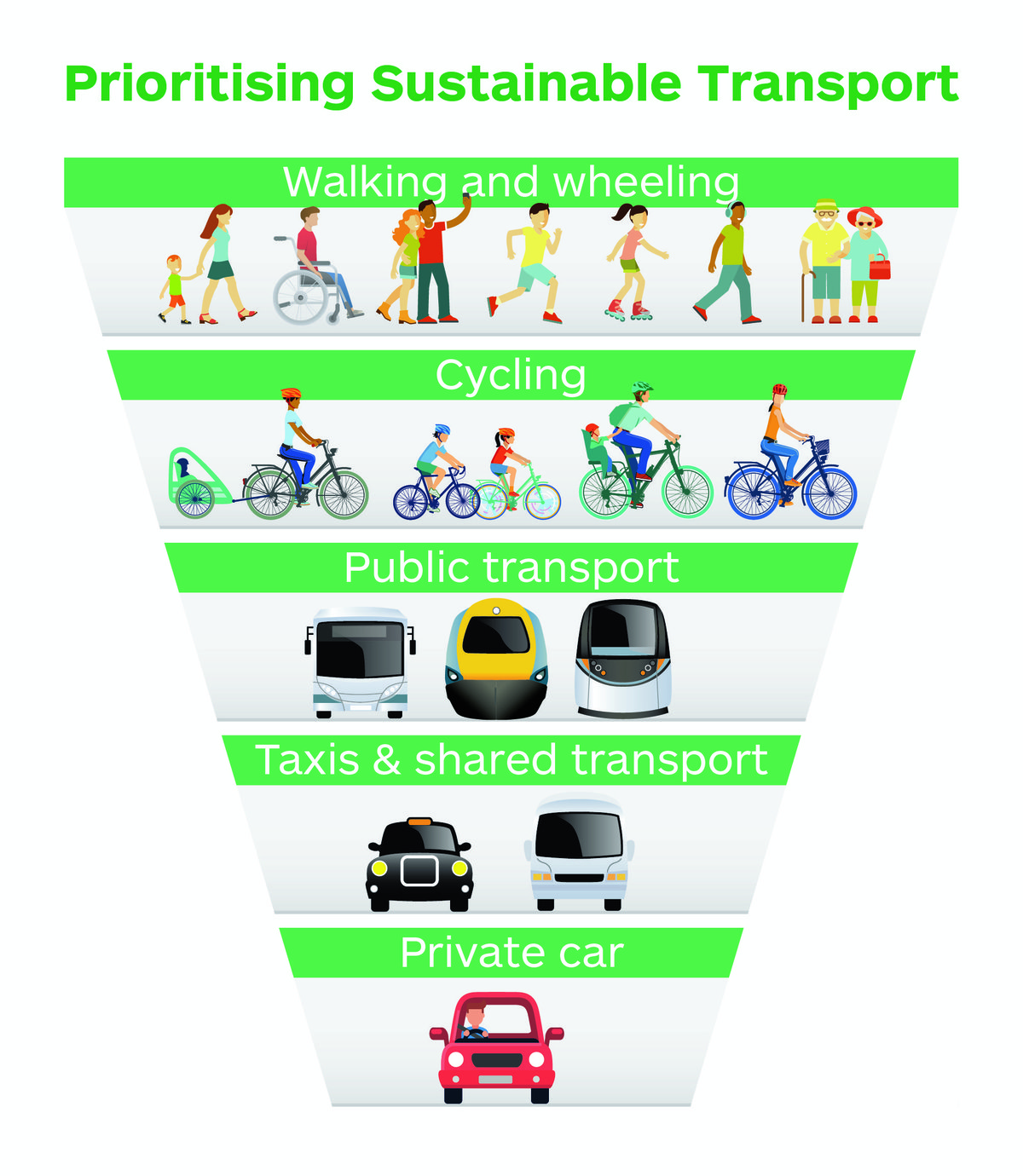
- Embrace Active Transportation: Whenever possible, choose walking, cycling, or scootering. Not only do these options generate zero emissions, but they also provide excellent physical activity and offer a unique way to experience a destination up close. Explore cities on foot or by bike, discovering hidden gems you’d miss from a car window.
- Ride Public Transit: Buses, trains, subways, light rail, and ferries are inherently more efficient than individual cars, moving many people with less energy per person. Many cities worldwide boast excellent public transportation networks that are easy to navigate and connect you to major attractions and local neighborhoods.
- Opt for Electric Vehicles (EVs): If driving is necessary, choose an electric vehicle. EVs produce zero tailpipe emissions, significantly lowering your greenhouse gas footprint, especially when powered by renewable energy. Many rental car companies now offer EV options, making it easier than ever to electrify your road trip.
- Share the Ride: Carpooling, ridesharing services, or bike/scooter-sharing programs reduce the number of vehicles on the road, easing congestion and lowering overall emissions.
- Consider Alternative Fuels: For longer distances or specific needs, vehicles running on biofuels, hydrogen, or compressed natural gas (though less common for personal travel) offer lower-emission alternatives to traditional gasoline or diesel.
Reducing Demand & Driving Efficiently
Sometimes the most sustainable trip is the one you don't take, or the one you make more efficient.
- Consolidate Trips: Whether for errands or leisure, planning your outings to combine multiple stops reduces overall travel distance and frequency. Work from home or shop online when practical to cut down on daily commutes.
- Drive Smart: If you're behind the wheel, how you drive matters. Avoid aggressive acceleration and braking, maintain consistent speeds using cruise control, and ensure your tires are properly inflated. These habits can significantly improve fuel efficiency and reduce wear and tear on your vehicle.
Advocating for Change
Your voice matters. Support policies that promote robust public transit, safe and expansive active transportation infrastructure (like bike lanes and pedestrian zones), and the widespread development of EV charging stations. Engage with local government and community groups. By demanding better infrastructure, you help make sustainable choices easier for everyone.
After all, making these kinds of conscious choices and perhaps even making an investment in cleaner travel might lead you to ask yourself, Find out if its worth it.
The Travel Industry's Journey to Sustainability
For businesses within the travel and transportation sector, the move towards sustainability isn't just good PR; it's an essential strategy for long-term viability and fulfilling corporate responsibility. Addressing climate action and sustainability means confronting carbon liability, participating in the global net-zero transition, and strengthening resilience to climate change impacts.
A Five-Step Framework for Climate Action
Leading organizations are adopting comprehensive solutions built on a robust five-step process:
- Measure: You can't manage what you don't measure. Businesses need precise tools to calculate the carbon footprint of their operations—from individual tours and hotel stays to entire transport fleets. This data forms the baseline for all future efforts.
- Reduce: Once footprints are known, the focus shifts to cutting emissions. This involves implementing strategies to decarbonize operations, such as switching to renewable energy, optimizing logistics, investing in energy-efficient technologies, and designing greener facilities. Guidance on effective emission reduction techniques is crucial here.
- Adapt: Climate change impacts are already being felt. Businesses must identify strategies to boost their resilience, from protecting coastal properties from rising sea levels to diversifying offerings in regions affected by extreme weather.
- Offset: For unavoidable emissions, investing in high-quality carbon projects becomes a necessary step. These projects might involve reforestation, renewable energy initiatives, or other efforts that remove or reduce carbon from the atmosphere, balancing out a company's remaining footprint. Many businesses support a "Climate Impact Portfolio," a curated mix of projects protecting nature and reducing emissions.
- Communicate: Transparency is key. Engage stakeholders—customers, employees, investors—by promoting sustainability efforts with clear materials and training programs. Sharing progress builds trust and encourages broader participation.
Achieving Carbon Neutrality
A more intensive commitment for businesses is aiming for carbon neutrality. This typically involves an even more robust application of the five-step process, often with third-party verification, to ensure that net carbon emissions are reduced to zero. This signifies a profound dedication to mitigating climate impact.
Transforming Our Cities: The Urban Planning Imperative
Our cities are the epicenters of daily movement, and their design plays a monumental role in shaping our transportation choices. Smart urban planning can fundamentally shift reliance away from private vehicles towards more sustainable modes.
Key Strategies in Urban Planning:
- Compact, Mixed-Use Development: Instead of sprawling suburbs where everything is far apart, imagine communities where homes, shops, offices, and parks are all within walking or cycling distance. This design significantly reduces the need for long commutes and encourages local activity.
- Prioritizing Pedestrian and Bicycle Infrastructure: Creating safe, well-maintained sidewalks, dedicated bike lanes, and clear pathways makes active transportation appealing and practical. When it's easier and safer to walk or bike, people do.
- Investing in Public Transit: A robust, reliable, and accessible public transportation network is the backbone of a sustainable city. This means investing in new lines, modernizing existing infrastructure, and ensuring frequent and far-reaching service.
- Managing Parking Demand and Congestion Pricing: Making it more difficult or expensive to drive and park in congested areas (e.g., through congestion charges or reduced parking availability) incentivizes people to choose alternative modes of transport.
- Transit-Oriented Development (TOD): This is a powerful planning approach that intentionally designs higher-density housing, retail, offices, and public spaces around public transit stations. By concentrating activity near transit hubs, TOD encourages walking, cycling, and transit use, dramatically reducing dependence on private cars.
The Technologies Driving the Change
Technology isn't just about faster cars; it's about smarter, cleaner, and more efficient ways to move.
- Electric Vehicles (EVs): While we've mentioned them, it's worth noting their expanding role. EVs—from cars and trucks to buses and motorcycles—offer zero tailpipe emissions, significantly lower GHG emissions (especially when powered by renewable energy), and reduced noise pollution. The critical consideration, however, is the lifecycle emissions, encompassing battery manufacturing and the source of electricity. The greener the grid, the greener the EV.
- Enhanced Public Transit: Real-time data, smart ticketing, and predictive analytics are transforming public transit, making it more efficient, reliable, and user-friendly. Apps that show bus locations or train delays empower commuters to make informed choices.
- Shared Mobility Platforms: Apps have revolutionized carpooling, ridesharing, and bike/scooter sharing. These platforms make it incredibly easy to access transportation on demand without owning a personal vehicle, optimizing resource use.
- Autonomous Vehicles: While still developing, self-driving cars have the potential to reduce congestion, optimize traffic flow, and improve safety, contributing to a more efficient transportation system. Their environmental impact will heavily depend on their power source (likely electric) and how they integrate into shared mobility models.
- Smart Cities: Integrating transportation systems with broader urban infrastructure through IoT (Internet of Things) and AI creates "smart cities." This means intelligent traffic lights, connected public transit, and seamless data sharing that optimizes every aspect of urban mobility.
Beyond People: Sustainable Freight Transportation
It's not just how we travel, but also how our goods move. Freight transportation, often overlooked, is a huge contributor to emissions. Sustainable freight focuses on making supply chains greener and more efficient.
- Shift to Rail: Trains are significantly more fuel-efficient than trucks for long-haul freight. Encouraging a modal shift from roads to railways can drastically cut emissions.
- Alternative Fuels: Just like passenger vehicles, freight trucks and ships are exploring biofuels, hydrogen, and electrification to power their massive loads. Electric trucks are already on the roads, and electric or hydrogen-powered ships are in development.
- Optimized Logistics: Better planning means fewer empty trucks, consolidated shipments, and more efficient routes. Advanced logistics software and data analytics play a huge role here in reducing unnecessary miles.
Green vs. Sustainable Transportation: A Clearer Picture
Let's quickly reiterate the crucial difference:
- Green Transportation: Primarily focuses on reducing the environmental impact, particularly greenhouse gas (GHG) emissions. Think of it as the ecological lens.
- Sustainable Transportation: This is the much broader umbrella. It encompasses green principles but also integrates social equity (accessibility, affordability, safety) and economic viability (job creation, reduced costs, resilience). Sustainable transportation ensures long-term viability and equitable distribution of benefits, not just environmental protection.
Common Roadblocks and How We're Overcoming Them
The path to a fully sustainable transportation system isn't without its bumps. Challenges exist, but so do the solutions.
- High Upfront Costs: Electric vehicles, public transit infrastructure, and sustainable urban developments often require significant initial investment.
- Solution: Government incentives, long-term financing models, public-private partnerships, and focusing on the long-term savings (fuel, maintenance) can mitigate these costs.
- Lack of Infrastructure: Insufficient charging stations for EVs, inadequate bike lanes, or sprawling public transit networks deter adoption.
- Solution: Targeted government investment, smart urban planning, and private sector innovation (e.g., pop-up charging solutions) are rapidly expanding infrastructure.
- Resistance to Change: Shifting deeply ingrained travel habits can be difficult for individuals and communities.
- Solution: Education, awareness campaigns highlighting benefits, and making sustainable options undeniably convenient, affordable, and safe are key to behavioral change.
- Policy Barriers: Existing regulations or lack of supportive policies can hinder sustainable development, often favoring traditional, car-centric models.
- Solution: Strong government leadership, progressive policy development, and advocacy from public and private sectors can dismantle these barriers.
- Funding Limitations: Public and private funding can be stretched thin, making large-scale sustainable projects challenging.
- Solution: Innovative funding mechanisms, carbon taxes, public bond initiatives, and prioritizing sustainable projects in budgetary allocations are crucial.
- Equity Concerns: Ensuring that sustainable solutions are accessible and affordable for everyone, not just a privileged few, remains a challenge.
- Solution: Inclusive planning processes, subsidies for low-income users, and designing systems that bridge geographical and economic divides are paramount.
The Government's Crucial Role: Steering the Future
While individual and business actions are vital, governments hold the reins to large-scale, systemic change.
- Infrastructure Investment: Governments must invest heavily in expanding and modernizing public transit networks and creating comprehensive active transportation infrastructure.
- Incentives for Adoption: Policies like tax credits for EV purchases, subsidies for renewable energy, and financial support for businesses adopting sustainable practices accelerate change.
- Smart Urban Management: Implementing congestion pricing, managing parking demand, and developing zoning laws that promote mixed-use, transit-oriented development are powerful tools.
- Setting Standards and Regulations: Establishing stringent fuel efficiency standards, emission caps, and mandates for sustainable building practices drive innovation and compliance.
- Supporting Research and Development: Funding cutting-edge research into new sustainable technologies, from advanced battery tech to hyperloop concepts, is essential for future breakthroughs.
- Comprehensive Planning: Developing integrated, long-term transportation plans that prioritize sustainability across all sectors ensures a cohesive and effective transition.
The Health Dividend: A Hidden Benefit
Beyond environmental and economic gains, sustainable transportation delivers significant public health benefits for everyone.
- Improved Air Quality: Fewer combustion engines mean less smog, particulate matter, and other pollutants, leading to reduced rates of respiratory and cardiovascular diseases.
- Increased Physical Activity: Walking, cycling, and using public transit often involve more movement, helping combat sedentary lifestyles and associated health issues like obesity and diabetes.
- Reduced Traffic Fatalities and Injuries: Fewer cars on the road, combined with dedicated active transport infrastructure, translate to safer environments for all road users.
- Reduced Noise Pollution: Quieter EVs and less traffic contribute to calmer, more livable urban environments, reducing stress and improving sleep quality.
What's Next? The Future of Sustainable Transportation
The trajectory is clear: the future of sustainable travel and transportation is bright, driven by innovation, necessity, and a collective desire for a better way forward.
- Electrification and Shared/Autonomous Mobility: Expect a massive acceleration in the adoption of electric vehicles across all transport modes, coupled with increasingly sophisticated shared mobility services and the eventual integration of autonomous technologies that make travel more efficient and accessible.
- Integrated and Intelligent Systems: Our transportation networks will become smarter and more interconnected. Real-time data, AI, and IoT will enable seamless journeys, optimized traffic flow, and proactive maintenance.
- People-Centric Urban Planning: Cities will increasingly prioritize people over cars, designing spaces that encourage walking, cycling, and public interaction, fostering healthier, more vibrant communities.
- Greater Collaboration: The scale of this transformation requires unprecedented collaboration among governments, businesses, technologists, and communities. Partnerships will drive funding, innovation, and policy changes needed to achieve ambitious sustainability goals.
The journey towards fully sustainable travel and transportation is ongoing, but every step forward brings us closer to a world where our wanderlust enriches rather than diminishes our shared planet. The choices you make as a traveler, the commitments businesses make, and the vision governments pursue are all integral to this exciting future.